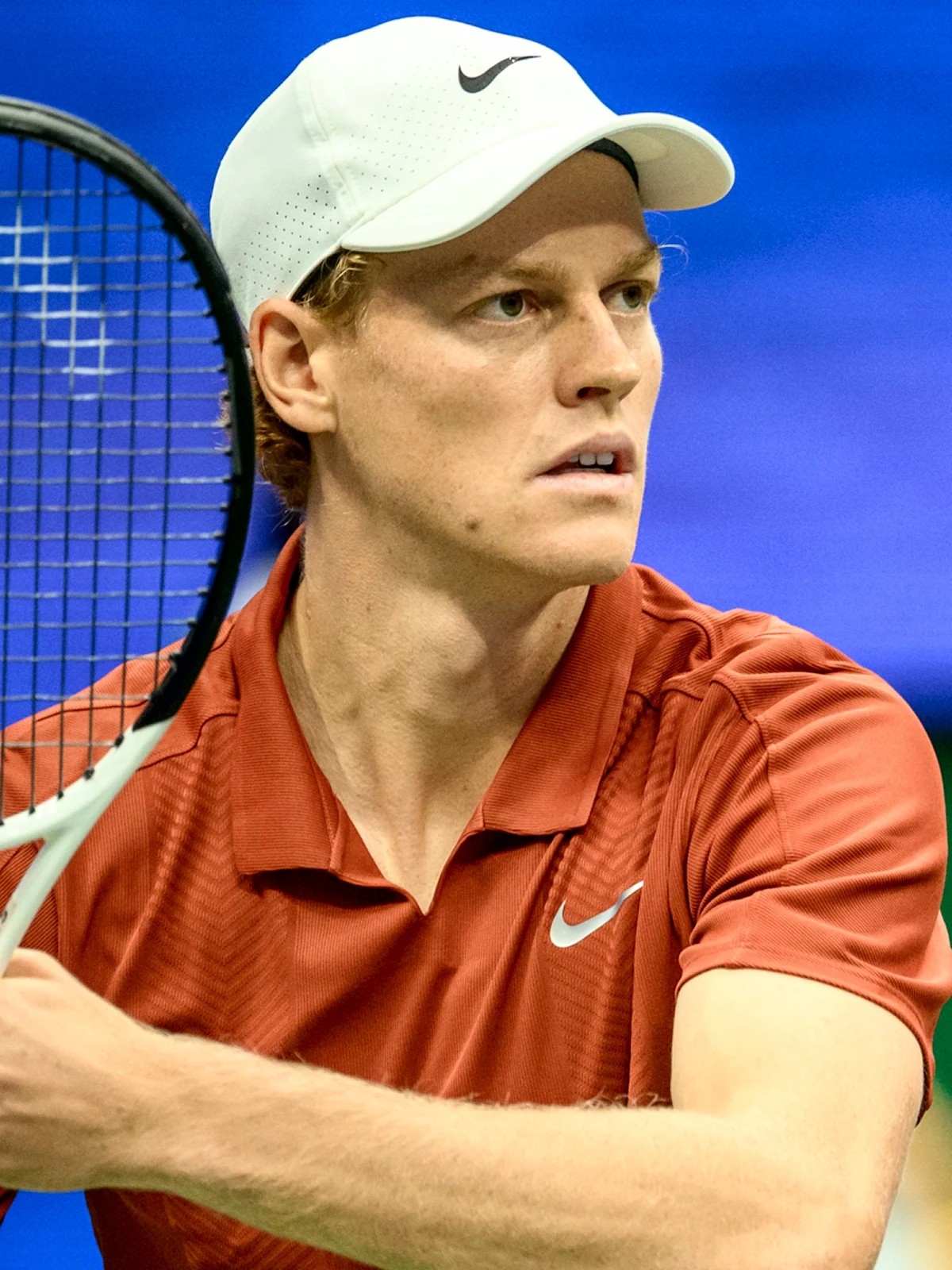
 Jannik Sinner
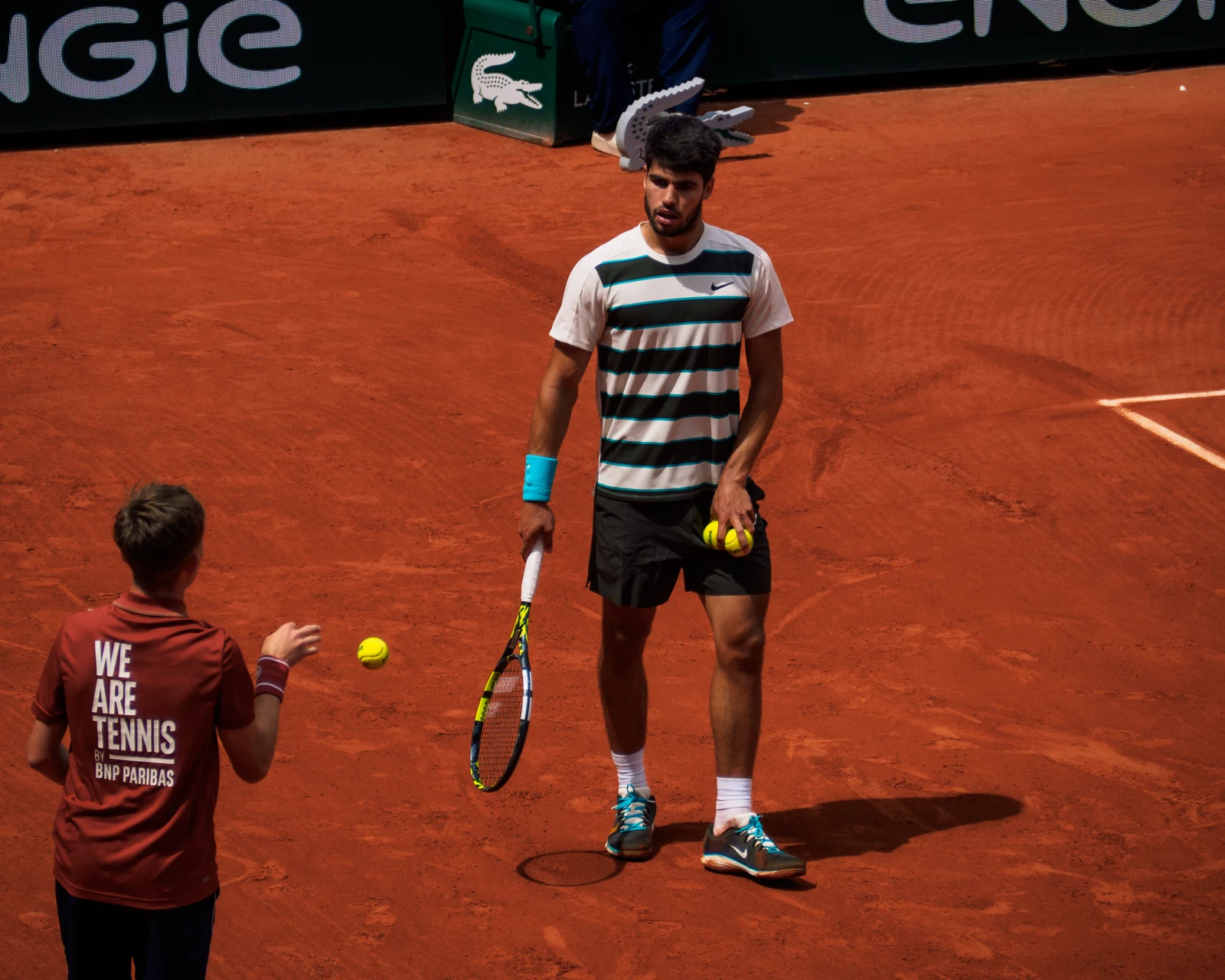 Carlos Alcaraz
- Sinner · hard Elo
- 2259.3
- Alcaraz · hard Elo
- 2070.7
- Gap · calculated
- 188.6
A closer look at the surface numbers
Elo rating points · bars start at zero to preserve the scale.
What the gap means on court—and what it cannot tell us
Sinner leads this hard-court comparison. Our interpretation is that the available results justify a stronger starting assessment of him on this surface. In practical terms, we would need matchup-specific evidence to move away from that starting point: how each player handles the conditions, the opponent’s patterns and the demands of the format. The rating alone cannot tell us that Sinner will dominate a particular rally pattern or that Alcaraz’s variety will fail. Those are tactical claims that need tactical evidence.
The rivalry story can flatten an important distinction
The appeal of a Sinner–Alcaraz debate is that it invites a sweeping verdict: whose era is this? We think that framing is too broad for a match preview. Greatness, entertainment and strength in a particular set of conditions are different questions. A spectacular encounter can stay in the memory longer than a larger body of routine wins. Our editorial position is to enjoy the rivalry while resisting the temptation to let its drama decide the next assessment.
Why the same rivalry can produce different favourites
A rivalry is often discussed as if it were a single, permanent matchup. Tennis does not work that way. Court speed changes the time available on return, the value of the first strike and the cost of defending from uncomfortable positions. Format, fatigue and the route through the draw can alter the balance again. Our position is that the hard-court Elo gap should shape the opening view, while the actual event determines how much confidence that view deserves. This makes the rivalry more interesting, not less: each meeting asks whether Alcaraz can disrupt the conditions in which Sinner’s results have been strongest, and whether Sinner can keep the contest inside those conditions.
What we would watch before revising the assessment
The most persuasive evidence would come from repeatable pressure rather than isolated brilliance. If Alcaraz regularly reaches neutral or attacking positions in Sinner’s service games, protects his own second serve and prevents the baseline exchanges from settling into a predictable rhythm, the broad rating gap becomes less informative for that match. If Sinner controls the early ball and forces Alcaraz to create from defensive positions, the surface rating looks more relevant. One great set can change a result; several comparable matches are needed to change the underlying opinion. That distinction is central to how CourtValue separates a memorable performance from a durable shift in level.
The best argument against our view
An overall surface rating does not fully capture a specific opponent. Alcaraz could pose problems that a broad rating understates, and different court speeds or physical conditions could change the encounter. That is the strongest reason to avoid turning this opinion into a fixed prediction. Still, a possible exception is not a reason to discard the starting evidence. We would give Sinner the initial hard-court edge, then ask whether the actual match supplies a convincing reason to revise it. That is the distinction worth carrying from the rivalry debate into CourtValue’s individual match analysis.
Your take
Can Alcaraz be Sinner’s toughest rival without being his equal on every surface?
Discuss this story on X →Sources & context
Figures are tied to the stated snapshot. Commentary does not replace a match-specific assessment. See our editorial policy and corrections policy.
Explore player profiles · View recorded results · Explore tournaments
Keep reading
Michael Zheng: why his Elo deserves a closer look →
Daniel Vallejo has earned the seed. Hangzhou will show what kind of rise this really is. →
Alexander Zverev: what his titles tell us about his next match →