 Alexander Zverev
 Ben Shelton
- Confirmed warning
- Barrena vs Pieri
- Card date
- 17 Sep 2026
- Prior five matches
- Barrena 4–1
Break points faced in three recent Barrena wins
Break points · zero-based scale
The wins were hard work against very different opponents
At Tulln, Barrena beat Ognjen Milic, Nico Hipfl and Zdenek Kolar, ranked 345, 825 and 175 respectively at the event’s start. All three matches went to a deciding set. Against Hipfl he saved 14 of 16 break points; against Kolar, seven of 11. Those recoveries deserve credit. Our concern is what had to happen before the recovery: opponents were repeatedly reaching his service games. The ranking spread also makes “three wins” a poor shorthand for three equivalent tests.
The Biella opener did not remove the concern
Barrena then beat Maxime Chazal 6–4, 1–6, 6–3, saving five of nine break points. His second-serve points won were 41.7%. To us, that is a narrow route through a match rather than evidence that the service vulnerability has disappeared. Pieri arrived after beating Gabriele Piraino in three sets, winning 74.1% behind his first serve but also facing 12 break points. That comparison does not establish a superior opponent; it suggests a contest in which both service games can be challenged. We would be wary of reading the favourite’s recent victories as insulation from another difficult afternoon.
The strongest argument against our caution
Barrena has the stronger ranking, and beating Kolar is meaningful evidence that he can overcome a more established opponent. Escaping difficult service games may reflect competitive skill as well as vulnerability. Those are reasons to keep the warning proportionate. We would become more confident in his control if he repeatedly reduced the number of break points conceded and protected his second serve against comparable clay opposition. The conclusion here is that the wins leave questions open—not that Pieri must win.
A warning is an argument about price, not a prediction of defeat
This distinction is essential when reviewing the outcome. Questioning a favourite does not require the opponent to become the preferred selection, and the favourite can win without proving that the original price reflected every risk. The honest review asks whether the concerns appeared in the match, whether the favourite controlled the relevant passages and whether new information should change the next assessment. Treating every win as validation and every loss as failure would collapse analysis into result watching. CourtValue’s responsibility is to preserve the reasoning long enough to learn from what the match actually showed.
Recent wins need an opponent-adjusted reading
A sequence of victories can represent genuine improvement, favourable opposition, comfortable conditions or some combination of all three. The streak itself cannot separate those causes. In Barrena’s case, the useful work is to compare how the wins were produced with what Pieri demands: where points begin, which player is more likely to create return pressure and whether the surface changes the value of the favourite’s usual strengths. That does not guarantee the warning will be correct. It makes the warning testable. If Barrena controls the matchup in the areas identified as uncertain, the next evaluation should give that evidence proper weight.
Why publishing the losing examples matters
The temptation in betting content is to preserve the attractive calls and let unsuccessful warnings disappear. That produces a cleaner story and a worse record of what the model is doing. The Zverev example belongs here because the favourite won and the assessment must live with that result. A public archive allows readers to distinguish a process that is reviewed from one that is rewritten after the event. Our opinion pieces should therefore do more than promote today’s card: they should show how a conclusion is challenged, what evidence defeated it and whether the lesson is specific to one matchup or broad enough to affect future analysis.
Zverev is the reminder that a warning can lose
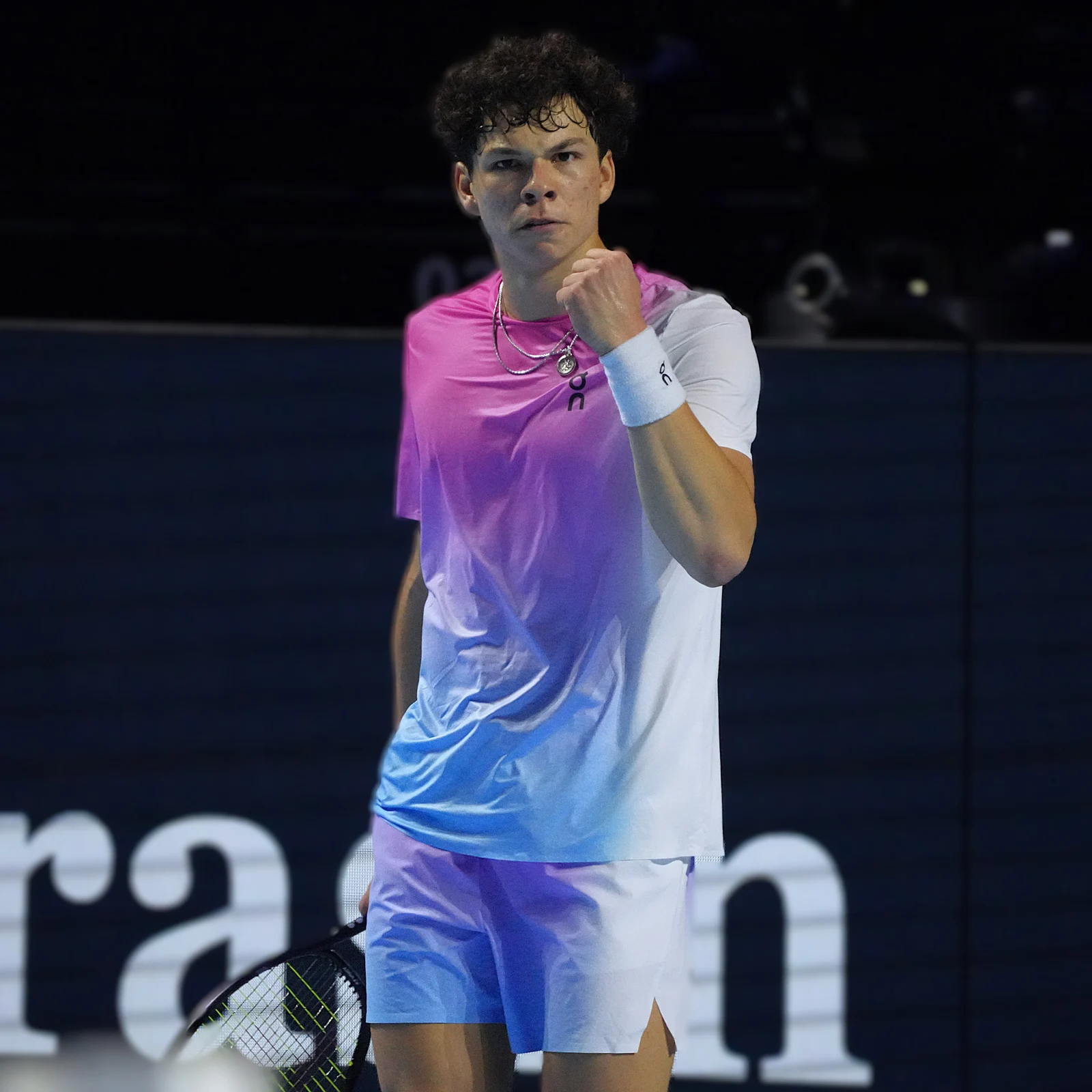
The photographs show Zverev and Shelton, the players in our recent US Open review. CourtValue’s September 13 archive confirms a warning against Zverev; he nevertheless won the final in four sets. His 85% first-serve points won give that success a concrete tennis explanation. The result belongs in the story because scepticism can become a habit too. We should question a favourite’s streak, and then scrutinise our own argument just as closely. Today’s Barrena warning is a dated assessment, not a claim about an eventual result.
Your take
How much should repeated escapes change our confidence in a favourite?
Discuss this story on X →Sources & context
- Tennis Abstract — Alex Barrena, recent results and match statistics
- Tennis Abstract — Samuele Pieri, recent results
- US Open — Zverev wins the 2026 final
- CourtValue — current card; warning verified on 17 September
Figures are tied to the stated snapshot. Commentary does not replace a match-specific assessment. See our editorial policy and corrections policy.
Explore player profiles · View recorded results · Explore tournaments
Keep reading
Alexander Zverev: what his titles tell us about his next match →
Davis Cup home advantage: what Canada vs France can tell us →
Daniel Vallejo has earned the seed. Hangzhou will show what kind of rise this really is. →