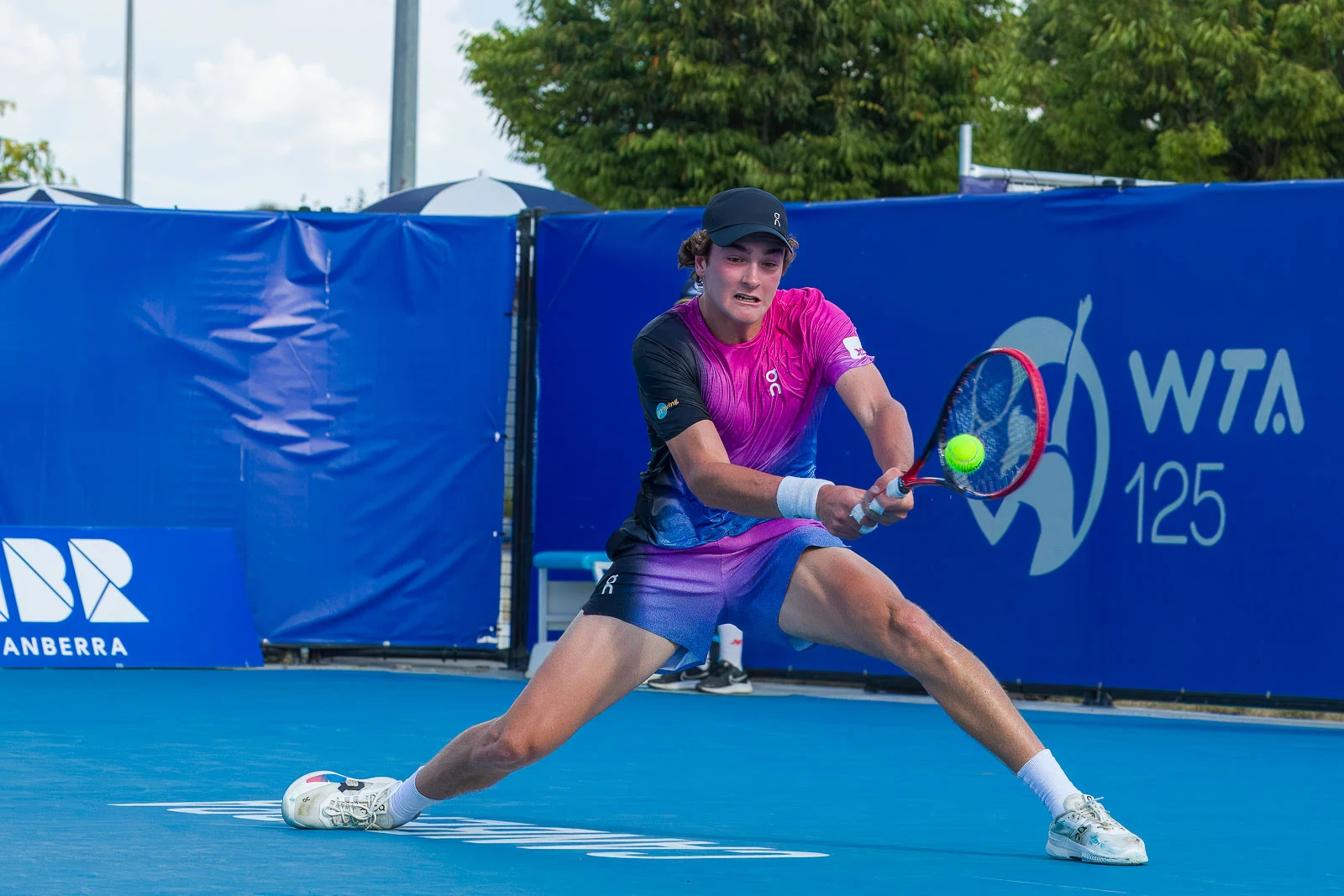
 João Fonseca
- Hard Elo
- 1929.7
- Clay Elo
- 1864.2
- Difference · calculated
- 65.5
A closer look at the surface numbers
Elo rating points · bars start at zero to preserve the scale.
An advantage, not a completely different player
The displayed surface ratings point in the same direction, but we would not read the difference as a divide between a strong hard-court player and a weak clay-court one. Our opinion is more measured: the hard-court side deserves a little more weight when setting expectations. A surface rating cannot isolate the cause. It does not prove that his serve, movement or backhand is responsible, and we would need those underlying measurements before offering that explanation.
Why this matters to the rising-star narrative
A breakthrough story invites people to expect the next result to confirm the last impression. We think that is an unfair way to judge a developing player. Carrying identical expectations from one surface to another can make an ordinary adjustment look like a crisis—or make a favourable setting look like proof that every part of the game is ready. The surface split offers a better lens: judge the performance against the task in front of him, not against the most exciting version of his future.
Development is easier to understand when the task is specific
Young-player coverage tends to compress every result into a verdict on potential. A win becomes proof that the breakthrough has arrived; a defeat becomes a warning that expectations were premature. We prefer to ask a narrower question: what did the match require, and how well did the player answer that requirement? On hard courts, points can reward early initiative and a reliable first strike. On clay, construction, balance and the ability to win again after an apparent advantage are often tested differently. The surface split does not define Fonseca’s ceiling. It helps identify which demands his current results appear to answer most consistently.
The opponent can matter more than the surface label
Even a genuine surface preference can be overridden by matchup. A hard-court opponent who absorbs pace, returns deeply and extends neutral rallies may create a less comfortable assignment than an aggressive clay-court player who offers rhythm. That is why we would not turn the displayed gap into a rule. The useful interpretation is a starting bias that must survive contact with the draw. Evidence that would change our view includes sustained clay results against varied opposition, stronger return performance in slow conditions and repeated success when the first attack does not finish the point. Progress of that kind would be more meaningful than one isolated tournament run.
What would persuade us to change our minds
We would become more confident in a hard-court identity if repeated, comparable observations supported it alongside results against a range of opponents. If the surface gap narrowed, we would soften that emphasis. One snapshot cannot establish a development trend. For now, our view is that Fonseca warrants a differentiated expectation: interest in both surfaces, with the stronger starting case on hard. In a match preview, the useful next question is whether the opponent and conditions reinforce that case or expose its limits.
Your take
Would you rather see Fonseca build a hard-court identity or prove himself equally across surfaces?
Discuss this story on X →Sources & context
Figures are tied to the stated snapshot. Commentary does not replace a match-specific assessment. See our editorial policy and corrections policy.
Explore player profiles · View recorded results · Explore tournaments
Keep reading
Ben Shelton’s return game: has it caught up with his serve? →
Alexander Zverev: what his titles tell us about his next match →
Alexander Bublik: unpredictable, or misunderstood by surface? →